
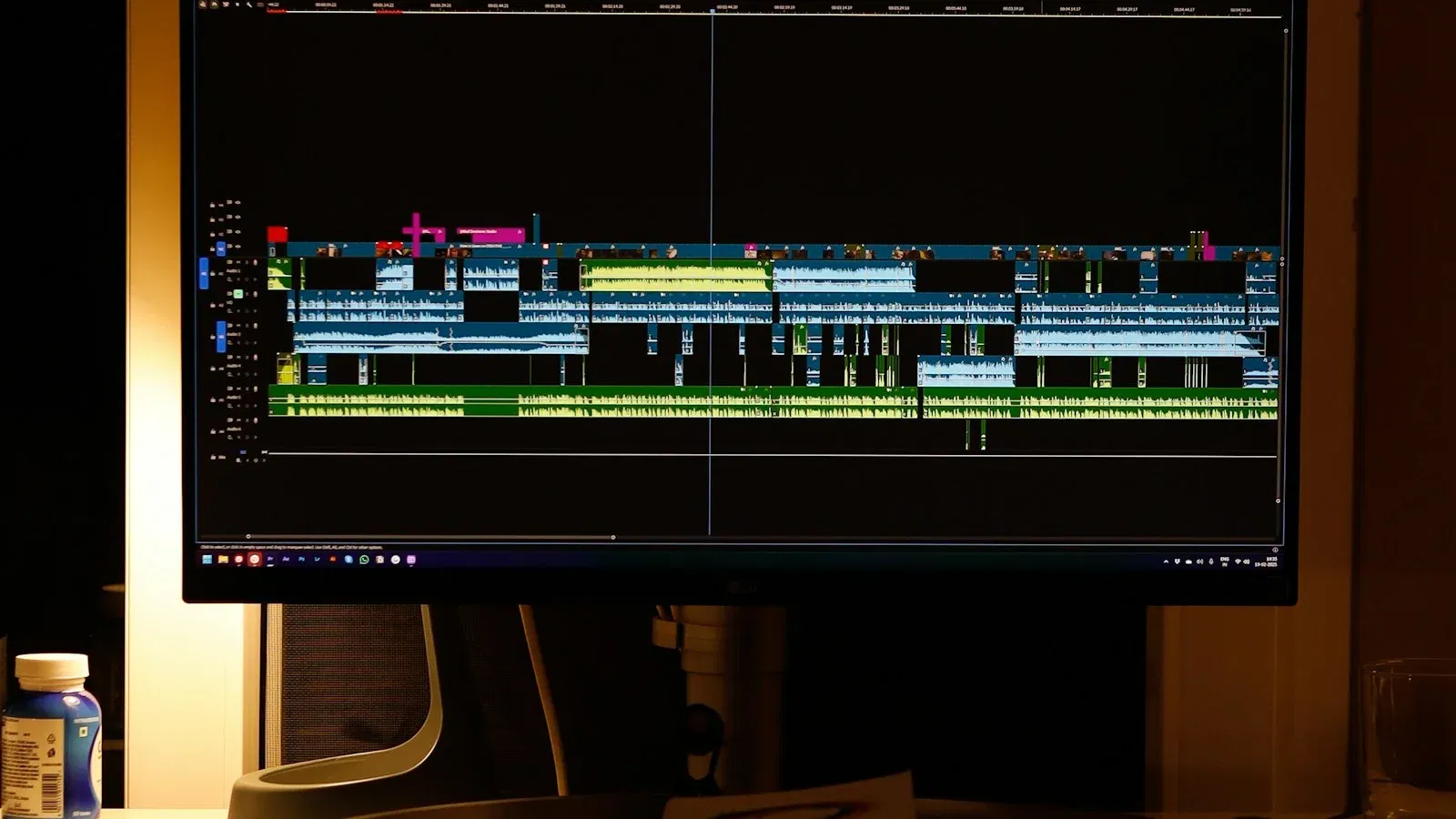
The reality of the one-person production team
If you run video inside a growing company or operate a lean commercial studio, your job title is usually a lie. On paper, you are the filmmaker or creative producer. In reality, you are the entire department. You light the room, mic the subject, pull the focus, and cut the master. Then someone asks why the thumbnail is not ready, what the YouTube meta description should be, whether you can write the ad copy for paid social, and when the vertical clips will be exported. Large agencies throw six different specialists at those problems. Solo operators and small businesses do not have that luxury. You either burn twelve hours a day switching between disparate tasks, or you subscribe to an endless stack of monthly SaaS platforms that eat your budget and lock your workflows behind paywalls. I hit that wall on commercial shoots and enterprise case studies. To stay focused on cinematography and client delivery without drowning in auxiliary work, I started automating the operational side of production. I decided to stop keeping those workflows private. Everything I build to support independent creators and small production setups is being released as open source software on my GitHub.
The problem with video SaaS: Subscriptions, privacy, and black-box algorithms
When long-form video needs to be repurposed into short-form clips, the standard industry advice is to feed the master file into a web-based auto-clipper like Opus Clip. For quick personal clips, cloud clippers are fine. For commercial productions, corporate internal communications, and lean agencies, cloud services introduce three immediate problems.
1. Client privacy and unreleased footage
Uploading gigabytes of unreleased b-roll, executive interviews, or proprietary facility walkthroughs to a third-party server creates an immediate privacy risk. Enterprise clients often require signed non-disclosure agreements before a shoot even begins. Handing client footage over to an off-site cloud service violates that trust.
2. The monthly subscription trap
Every single utility tool has turned into a recurring subscription. You pay for transcription, you pay for resizing, you pay for thumbnail generation, and you pay per minute of exported video. For a small business or an independent operator, those monthly fees pile up fast.
3. Lack of control over the cut
Most algorithmic clippers treat video like raw text. The software looks for sentence boundaries, slaps a generic dynamic caption across the center, crops to vertical without checking composition, and exports. You cannot adjust the hook timing, control the b-roll pacing, or refine the audio ducking without fighting the browser interface. You spend twenty minutes waiting for a cloud render, only to realize the tool cropped out the technician's hands during a critical demonstration.
The first step: Open sourcing production skills for AI agents
Before fixing clip generation, I tackled the pre-production and brand messaging bottlenecks. Filmmakers and small business owners often struggle not with the camera, but with the paperwork and positioning that surrounds it: writing the AV script, building the shot list, refining the value proposition, and generating platform-specific ad copy. I consolidated the exact systems I use at Produced by Chi into a public repository of agent skills: the skills repository on GitHub. These are built using the open SKILL.md standard. Anyone running coding harnesses or agents like Claude Code, Codex, or Antigravity can install them with a single command:
npx skills add producedbychi/skills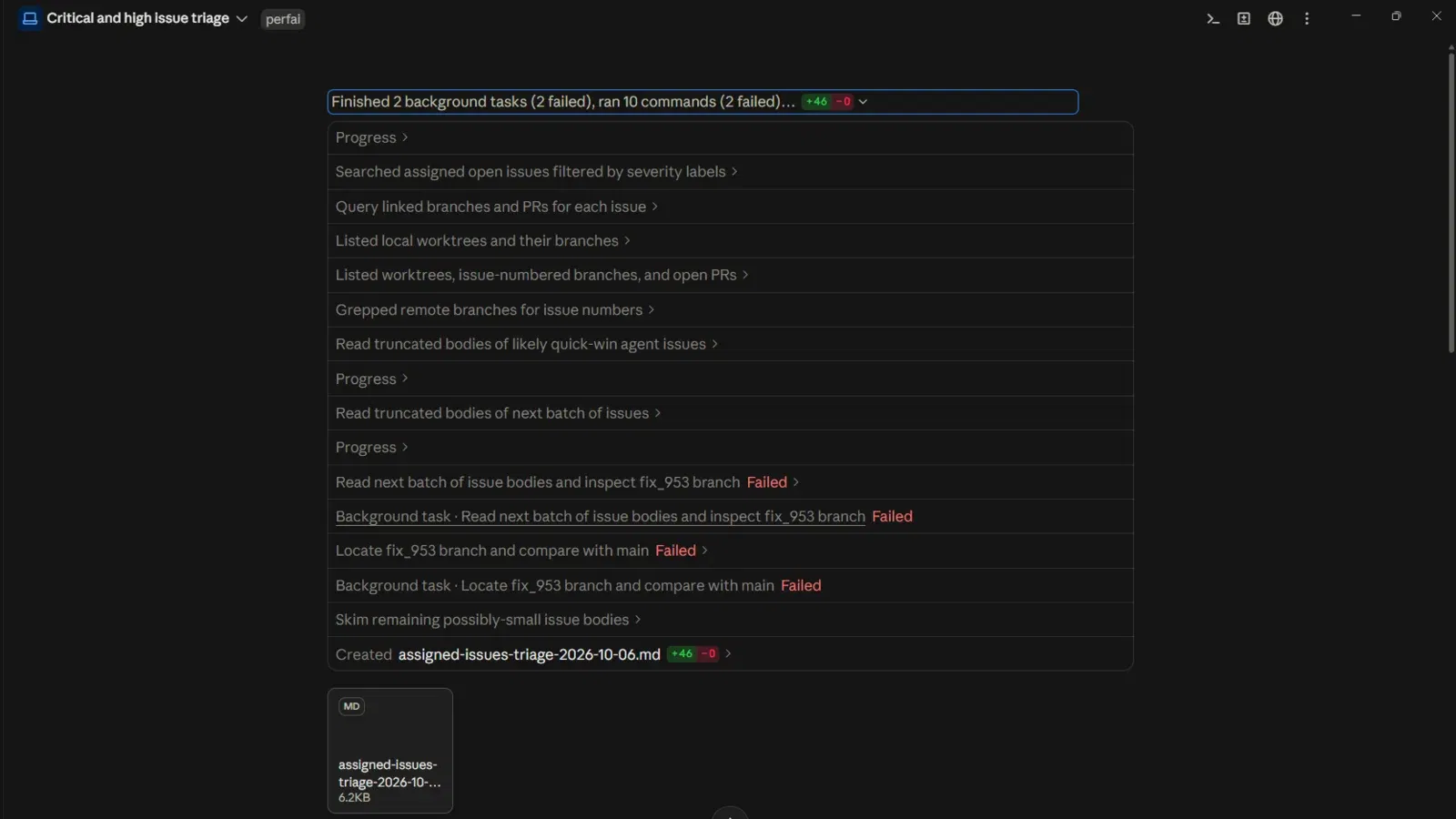
The repository includes tools designed for the practical challenges small production teams face every week: • Prepro Kit: Converts a rough video idea into a structured treatment, AV script, and shoot breakdown without corporate fluff. • Brand Edge: Clarifies brand positioning and messaging based on competitive alternatives and real capabilities. • Messaging for Dummies: Strips consultant jargon from service offers so buyers actually understand what you sell. • Ad Image & Thumbnail Generators: Creates visual directions and prompt packages built for clear composition instead of generic stock visuals. • Seedance Video Director: Formats camera directions, lighting notes, and continuity tags for generative video workflows. Instead of paying for multiple niche marketing utilities, you keep your source files local and run structured production tasks through the agent environment you already use.
What comes next: Building Cutdown for local, customizable clipping
The skills repository solves the planning and messaging phase. Post-production clip repurposing requires a different tool. I am currently developing Cutdown, an open source application built specifically for producers and small teams who need social clips without cloud fees or privacy compromises. Cutdown is designed around three principles: 1. Local and private execution: Processing runs locally on your machine. Your client interviews, internal product demos, and raw footage never leave your hard drive. 2. Zero recurring software fees: It is free and open source. No watermarks, no credit systems, and no tier upgrades just to export at 1080p. 3. Timeline-first flexibility: Instead of an unchangeable automated output, Cutdown gives you control over the transcript cuts, framing coordinates, and pacing so the final clip honors the cinematography. Auto-generated social clips should not look like cheap software exports. They should look like an editor made intentional choices about where the eye lands and when the cut happens.
Giving small teams leverage
The gap between large agency budgets and small business resources has never been wider, but the tools available to independent creators have never been more capable. When you remove the friction of subscription paywalls, protect client privacy, and automate the logistical tasks that surround production, a single person with a camera can match the output of an entire creative department. As Cutdown enters public release, the source code and build instructions will land alongside the skills repository under that same roof on my GitHub. If you run video solo or direct content for a lean business, take the skills for a spin in your own setup. Star or follow along on GitHub to catch updates as Cutdown rolls out, file issues if you hit a snag, or reach out directly if you need help tailoring these workflows to your shoots. I build these tools in the open so we can spend less time wrestling software logistics and more time making great films.