
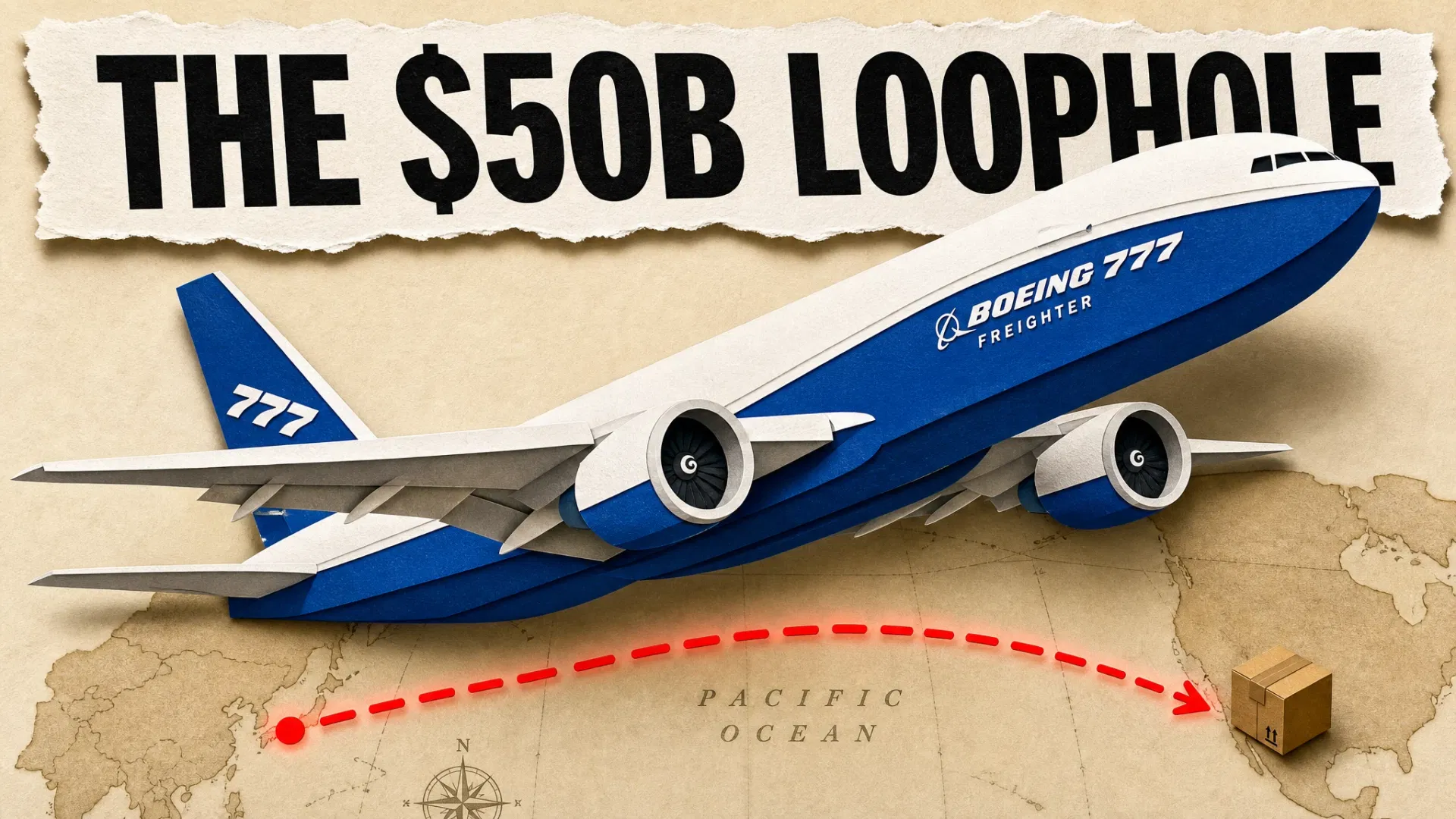
Why do generic video pitches fail to hold viewer retention?
Feeds are saturated with low-effort video. Viewers spot generic AI avatars, shiny stock footage, and self-serving promotional pitches within seconds, and they scroll past immediately. When founders, marketing leads, or agency directors look for video production, they do not want another generic highlight reel. They want proof of narrative clarity. They need to know you can take a dense, friction-heavy subject and make it effortless to understand. That is why the Vox-style editorial format works so well. By combining textured paper collage, cardstock drop shadows, bold editorial typography, and physical metaphors, it transforms abstract ideas into tactile stories that hold attention from the first second to the last.

Deep Research First: Finding the High-Curiosity Friction
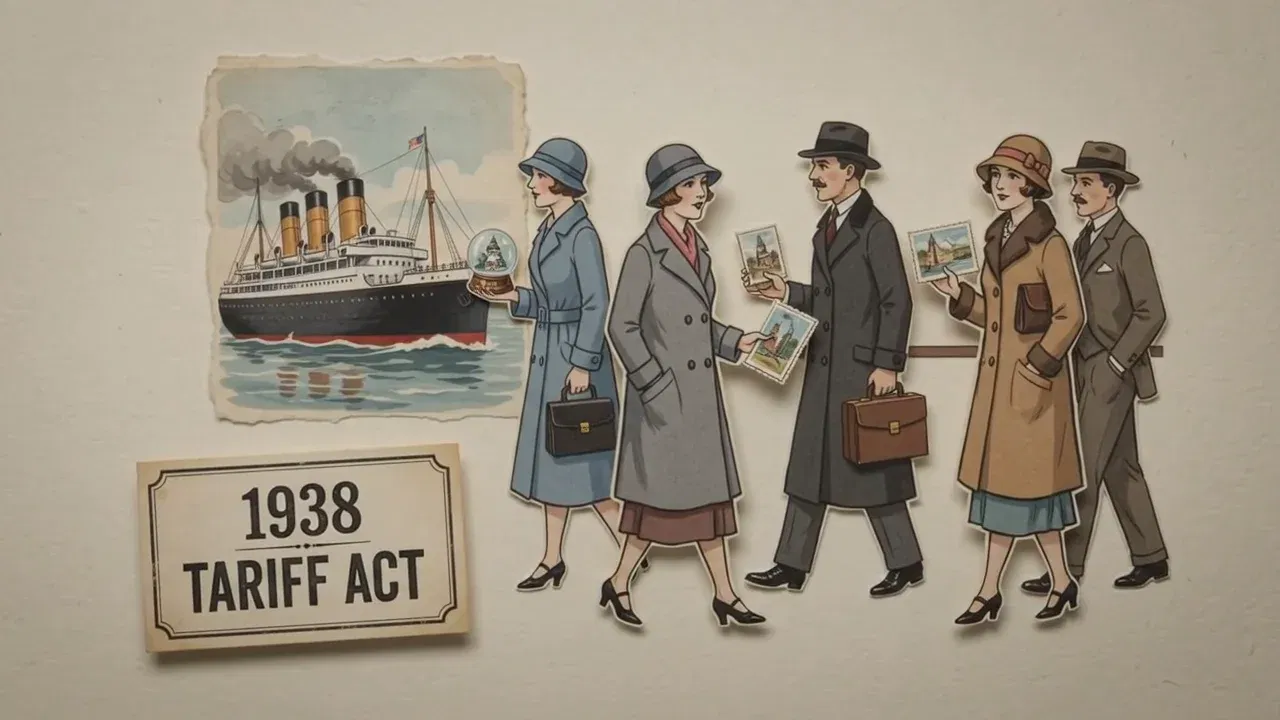
A compelling video never starts in an animation program or an image generator. It starts with investigative research. If the core idea lacks inherent tension, no visual style can save it. For this project, I dug into global logistics and trade policy to find a real economic contradiction: the $800 de minimis loophole. Originally written into Section 321 of the 1938 Tariff Act to spare customs agents from taxing cheap tourist souvenirs, cross-border e-commerce platforms turned it into four million packages a day. Platforms chartered dedicated Boeing 777 and 747 cargo planes to fly individual three-dollar phone cases across the Pacific duty-free. Uncovering that specific friction point gave the entire piece its narrative engine: air freight is expensive, so how does a three-dollar package pay for jet fuel?
The Production Shift: Broadcast Motion Graphics for Solo Directors
Producing a 60-second broadcast-quality paper-collage animation traditionally demanded an entire motion graphics department. You needed illustrators to design hundreds of vector assets, animators to keyframe cardstock physics in After Effects, and weeks of pipeline coordination costing tens of thousands of dollars. Directed generative video changes the entire production dynamic. By combining focused prompt architecture with modern generative engines like Google Flow, an independent filmmaker can direct complex, custom-illustrated motion pieces in days instead of months. It levels the playing field, allowing lean teams to deliver the visual depth and narrative polish previously reserved for major media networks.

Solving Continuity: Sequential Frame Chaining with FFmpeg & Google Flow
The biggest hurdle in generative video production is style drift. If you prompt six independent shots, the paper grain, camera angle, lighting temperature, and layout will change randomly between cuts, destroying the illusion of a single continuous world. To solve this, I built a sequential frame-chaining workflow between Google Flow and FFmpeg. After generating Clip 1, I pulled the final frame at 9.9 seconds using a simple command: ffmpeg -ss 00:00:09.900 -i clip1.mp4 -vframes 1 frame1.png I fed that extracted frame directly into Google Flow as the start frame for Clip 2. The engine inherited the exact lighting direction, cardstock texture, and spatial coordinates of the previous shot before beginning the next animation. Chaining each shot into the next created an unbroken visual progression: from a phone purchase into a Pacific flight map, a tilted balance scale, historical 1930s documents, automated conveyor belts, and a closing regulatory gavel.
The Strategic Takeaway: Teaching Beats Selling
The most effective commercial videos do not pitch a service directly. They demonstrate authority by educating the audience about how a system actually works. When prospective clients watch a tightly researched, beautifully paced explainer, they immediately grasp your ability to solve complex communication challenges for their own brands. By anchoring generative video tools in deep research, strict continuity controls, and editorial storytelling, you create work that cuts through feed noise and builds lasting trust.