
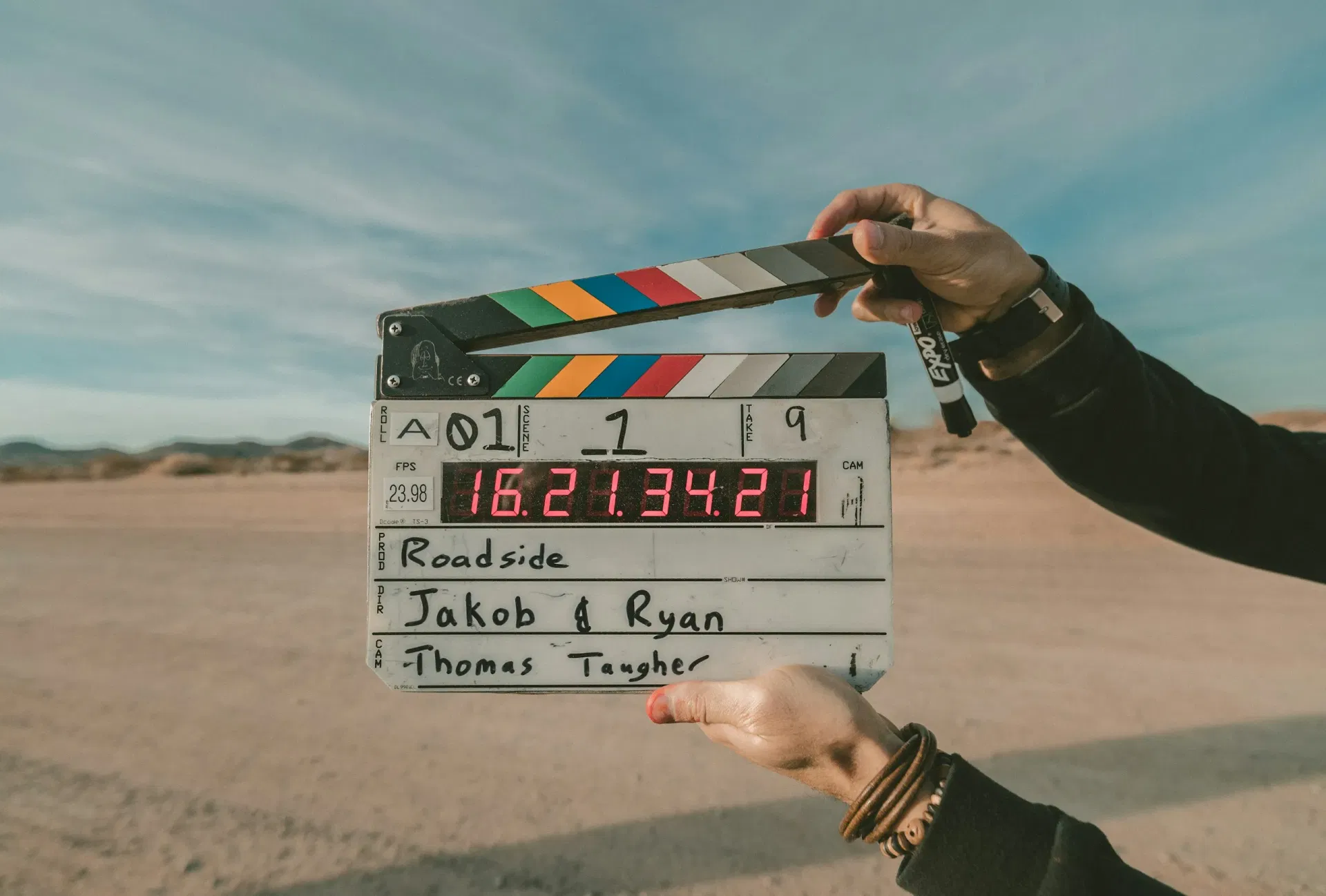
What is a brand film?
A brand film is a cinematic, story-driven video (typically 90 seconds to 3 minutes in length) designed to communicate a company's identity, core convictions, and human purpose rather than pushing an immediate product transaction. Unlike direct-response ads that target short-term click-throughs, a brand film targets high-value buyers and enterprise decision-makers, establishing lasting brand equity and commercial authority. In my production work at Produced by Chi, I define a brand film by its lasting impact. A standard ad has a lifespan of a few weeks before fatigue sets in. A well-crafted brand film anchors a company homepage, investor deck, and executive outreach for three to five years.
How does a brand film differ from a traditional commercial?
The distinction comes down to intent, timeline, and emotional resonance. A commercial focuses on a specific feature, a limited-time discount, or an immediate call to action. A brand film focuses on perspective. Here is how the two formats compare across key production metrics: • Primary Objective: Commercials drive instant conversions; brand films build long-term reputation and brand equity. • Typical Runtime: Commercials run 15 to 30 seconds; brand films develop depth over 90 seconds to 3 minutes. • Core Subject: Commercials focus on product features and pricing; brand films focus on company mission, founders, and customer transformation. • Shelf Life: Commercials burn out in 30 to 60 days; brand films remain relevant for 3 to 5 years. • Distribution Channels: Commercials run on paid social and programmatic pre-roll; brand films anchor homepages, sales pitches, and keynotes.
What is the ideal duration for a brand film?
For most B2B companies and modern brands, 90 to 120 seconds is the sweet spot. In my testing across enterprise client homepages, a 90-second film achieves the highest completion rates while allowing sufficient narrative runway for an emotional arc. If the film is intended for high-stakes investor pitches, recruitment campaigns, or live keynote presentations, a 3-minute cut provides the breathing room needed for deeper interview insights and cinematic pacing. Anything beyond four minutes begins losing viewer retention unless structured as a dedicated mini-documentary.
How structured interview discovery uncovers authentic stories
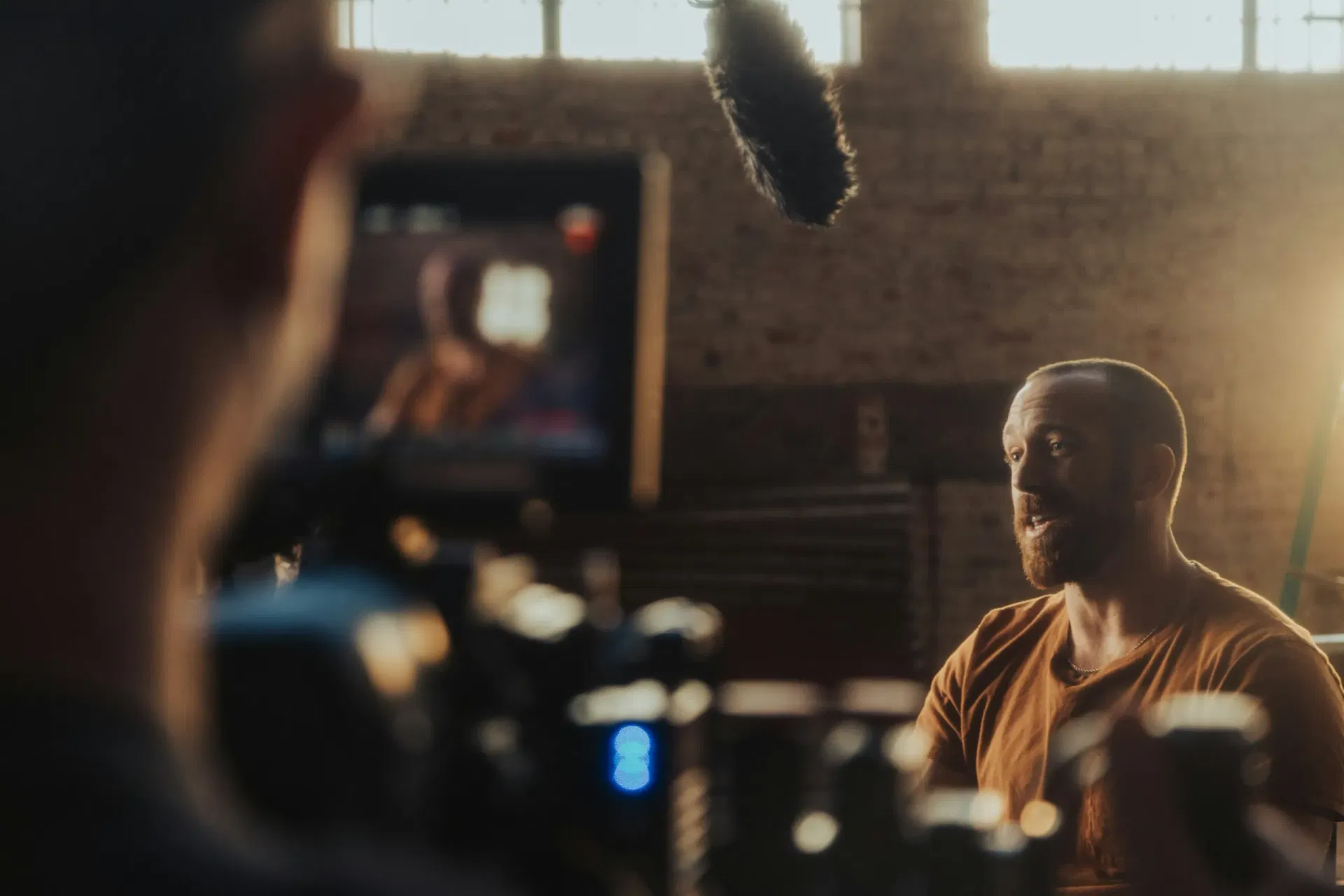
When a client approaches me without a script, I do not start by writing marketing copy. I start with structured interview discovery. We sit down for an unhurried 45-minute conversation exploring the origins of the company, the hardest technical problems they solved for their customers, and the core beliefs that guide their leadership team. Those conversations uncover the narrative spine. A brand film never succeeds because of flashy transitions or generic stock footage. It succeeds because it isolates a single honest truth that prospective clients immediately recognize and respect.
Directing non-actors on set: conversation over memorization
Most founders, engineers, and executives are not professional actors. When handed a rigid script, their delivery becomes defensive and wooden. They focus on reciting exact words instead of communicating genuine conviction. On my sets, I eliminate teleprompters. I use a relaxed conversational interview setup, shooting multiple takes while encouraging subjects to express their ideas in their natural vocabulary. By the third take, the corporate filter drops away. You capture genuine cadence, natural pauses, and honest expressions. That unvarnished authenticity is what builds client trust.
Where should a brand film be distributed?
A brand film is your core visual asset. It belongs prominently on your homepage hero, pinned to the top of your LinkedIn company page, embedded in executive email signatures, and presented at the start of high-value client discovery calls. Long after a prospect forgets the bullet points on a service deck, they remember the conviction, craftsmanship, and human clarity of your film.