
I shot a lot of correctional footage that didn't make the cut
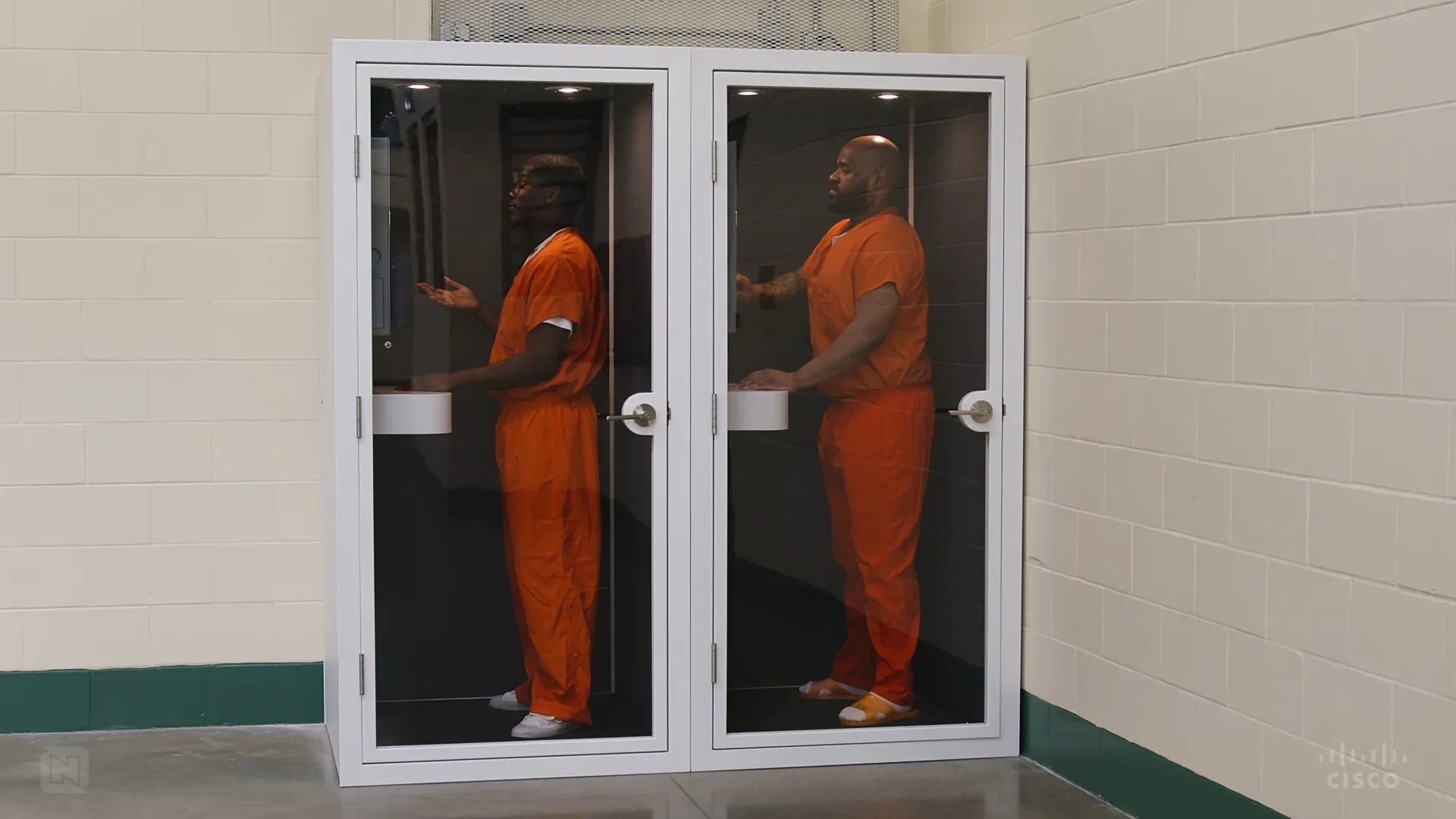
When I flew to Florida to film a case study for Netsync and Cisco, I packed the Blackmagic 6K Pro and shot everything I could get permission to shoot. That included things the brand manager later told me to remove. Barbed wire fencing. Inmates being escorted down a corridor. Close-ups of sheriff's badges. I framed each shot carefully because correctional imagery reads as cinematic by default, and I wanted the final cut to feel grounded in the real place. None of those shots made it into the edit. The brand manager pulled me aside and explained something I hadn't thought about: a jail is a sensitive subject, and the viewer's eye will land on incarceration before it lands on the technology. He called it the invisible frame. Cut the harsh visuals, and the focus stays on the product. I spent three days reworking the timeline because I hadn't shot enough alternative b-roll to cover the gaps. I didn't make that mistake again. On later B2B shoots, I asked the client before the first setup which visuals are on-brand and which are off-brand. It saves hours in post.
The corporate case study is not a documentary, and that's the point
I hear producers describe B2B case studies as 'mini documentaries,' and I get the appeal. It sounds more artistic than 'corporate video with a human angle.' But the framing is wrong, and calling it a documentary leads to bad editing choices. A documentary is observational. A B2B case study is persuasive. The viewer isn't watching to learn about a place or a person. They're watching to decide if a product solves a problem they have. Every shot has to do double duty: show the technical reliability of the platform and show what it means for the people using it. For the Netsync video, that meant keeping the natural lighting and location b-roll I shot in the facility, then layering in controlled lighting for the testimonial interviews. The first half of the production looked like a real working environment. The second half looked like a polished Cisco marketing video. The grade had to pull both halves into the same world, and that took longer than I expected.
What corporate B2B shoots actually need from a producer
Most B2B clients don't have a creative director on staff. They have a product manager who knows the platform and a marketing lead who knows the buyer. Neither one is going to tell you what shots to get or how to structure the edit. That's your job. On the Netsync shoot, my responsibilities expanded beyond camera and edit. I was the DP, the gaffer, the sound recordist, and the on-set director for the testimonial interviews. The brand manager scripted the questions, but I picked the camera angles, ran the teleprompter, and coached each subject through their delivery. One subject froze when the camera started rolling. I told her we were still testing the lights and recorded her rehearsal instead. The 'rehearsal' take was the one that made the final cut. No performance anxiety, just a natural read. This is what corporate B2B work looks like when you're the only one on the crew who knows how to make a video. You become the entire production department.
The compositing problem I solved in DaVinci Resolve
Three months after the Florida shoot, our third testimonial subject was arrested. His interview had to come out of the timeline, but his face was still visible on the VVS screen during the product demonstration. We couldn't reshoot. I handled the fix in DaVinci Resolve. I tracked the screen surface across the demonstration shot, then composited stock footage on top of the tracked area. The hard part wasn't the compositing. It was color matching the stock plate to the rest of the frame so the screen content didn't suddenly look like a different camera. Once the workflow clicked, it took about half a day. That fix taught me something I still use on every project: digital compositing is a safety net, and it works as long as you plan for it before you need it.
What the numbers said about the final cut
The case study became Netsync's primary sales tool for virtual infrastructure deals. Lead conversion on the platform increased by 40% in the months following release. The video was reused across multiple public sector pitches, sometimes with re-edited intros for specific buyers. A single B2B case study can serve the technical buyer and the emotional stakeholder without splitting into two separate assets. That's the version of B2B video I want to keep making.
Notes for producers shooting their first B2B case study
A few things I took from this project that I still use: - Ask the client which visuals are on-brand before the first setup. Correctional, medical, financial, and legal subjects all have imagery that can sink a B2B edit if it lands wrong. - Get twice the b-roll you think you'll need. Half of it will get cut for reasons that have nothing to do with quality. - Testimonial subjects will freeze. Have a plan for the take before the formal take, and you might end up using it. - Learn basic compositing in Resolve. You will not always have the budget for a VFX artist, and the fixes you can do yourself are the fixes that ship on time.